












Introduction
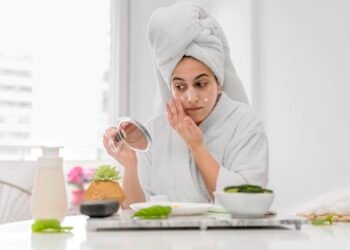
Every teenager dreams of having clear, healthy, and glowing skin. However, the teenage years often bring challenges such as pimples, oily skin, blackheads, and occasional breakouts. These changes are completely normal and are often influenced by hormones, lifestyle habits, stress, and skincare routines.
The good news is that achieving healthier skin does not always require expensive products or complicated treatments. Many natural ingredients found at home can support healthy skin when used properly and consistently.
Home remedies for clear and healthy skin are simple, affordable, and beginner-friendly. While they may not provide overnight results, they can become a valuable part of a healthy skincare routine.
Remember, healthy skin is a journey that requires patience, consistency, and self-care.
Table of Contents
- Why Choose Home Remedies for Skincare?
- Understanding Your Skin Type
- Benefits of Natural Skincare
- Best Home Remedies for Clear and Healthy Skin
- Daily Habits That Support Healthy Skin
- Foods That Support Healthy Skin
- Common Skincare Mistakes Teens Should Avoid
- Real-Life Example: Building Better Skin Habits
- When to See a Dermatologist
- Building Confidence Beyond Skin
- Frequently Asked Questions
- Key Takeaways
- Expert Perspective
- About the Author
- Editorial Note
- Disclaimer
- Conclusion
Why Choose Home Remedies for Skincare?
Natural skincare has become increasingly popular because many home ingredients are affordable, accessible, and easy to use.
Benefits include:
- Affordable skincare options
- Easily available ingredients
- Simple routines
- Suitable for beginners
- Gentle skincare alternatives
However, natural does not always mean risk-free. It is important to use ingredients carefully and perform a patch test before trying new remedies.
Understanding Your Skin Type
Knowing your skin type helps you choose the most suitable skincare methods.
Oily Skin
Characteristics:
- Excess shine
- Enlarged pores
- Frequent breakouts
Dry Skin
Characteristics:
- Tight feeling
- Rough texture
- Flaky patches
Combination Skin
Characteristics:
- Oily T-zone
- Dry or normal cheeks
Normal Skin
Characteristics:
- Balanced moisture
- Minimal sensitivity
- Healthy appearance
Understanding your skin type can help you create a more effective skincare routine.
Benefits of Natural Skincare
Natural skincare offers several potential advantages.
Gentle Care
Many natural ingredients provide mild skincare support.
Budget Friendly
Most ingredients are commonly found at home.
Easy to Use
Simple routines are often easier to maintain consistently.
Encourages Healthy Habits
Natural skincare often encourages individuals to focus on overall wellness and self-care.
Best Home Remedies for Clear and Healthy Skin
1. Honey for Natural Glow
Honey is a natural moisturizer that has been traditionally used in skincare routines.
Best For:
- Dry skin
- Acne-prone skin
How to Use:
Apply a thin layer of raw honey to clean skin. Leave it on for 10–15 minutes and rinse with lukewarm water.
Potential Benefits:
- Moisturizes skin
- Supports healthy skin barrier
- Promotes a natural glow
2. Aloe Vera for Soothing Skin
Aloe vera is one of the most widely used natural skincare ingredients.
Best For:
- Sensitive skin
- Irritated skin
How to Use:
Apply fresh aloe vera gel and leave it for 20 minutes before washing.
Potential Benefits:
- Soothes skin
- Supports hydration
- Provides a cooling effect
3. Turmeric for Skin Brightness
Turmeric has been used in traditional skincare practices for generations.
Best For:
- Dull skin
- Uneven skin tone
How to Use:
Mix turmeric with yogurt or milk and apply for 10 minutes.
Potential Benefits:
- Supports skin brightness
- Helps maintain healthy-looking skin
4. Curd (Yogurt) for Soft Skin
Curd contains lactic acid, which may help gently exfoliate the skin.
Benefits:
- Supports smoother skin
- Helps remove dead skin cells
- Improves skin softness
5. Lemon for Oil Control (Use Carefully)
Lemon is often used in home remedies, but it should always be diluted and patch-tested.
Benefits:
- May help control excess oil
- Supports skin cleansing
Important: Never apply concentrated lemon juice directly to sensitive skin.
6. Multani Mitti for Deep Cleansing
Multani Mitti (Fuller’s Earth) is a traditional skincare ingredient popular for oily skin.
Benefits:
- Absorbs excess oil
- Supports deep cleansing
- Helps remove impurities
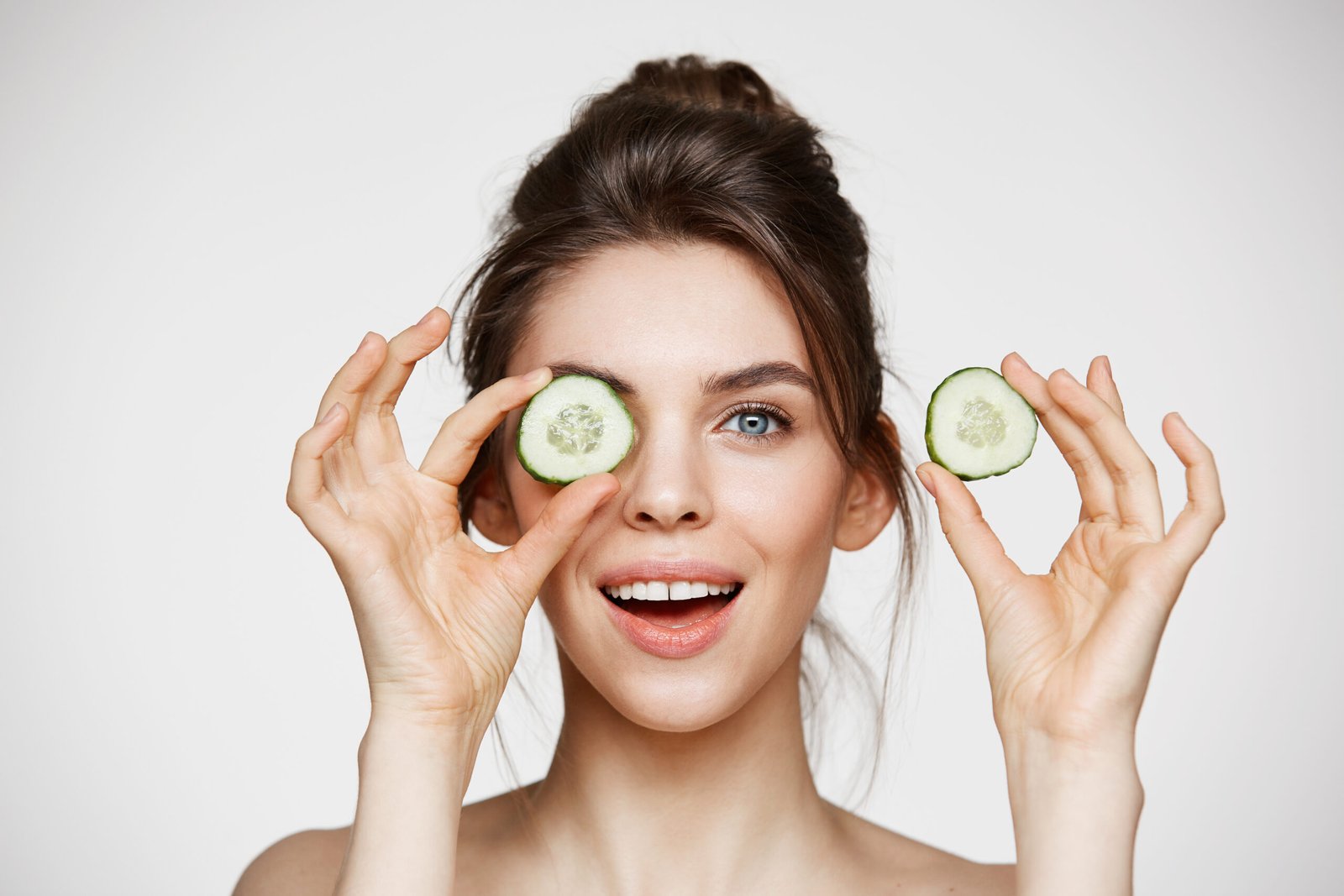
7. Cucumber for Freshness
Cucumber provides a cooling and refreshing effect.
Benefits:
- Hydrates skin
- Reduces puffiness
- Refreshes tired skin
Daily Habits That Support Healthy Skin
Healthy skin is influenced by lifestyle habits just as much as skincare products.
Drink Enough Water
Hydration supports overall body functions and skin health.
Get Quality Sleep
Most teenagers need 8–10 hours of sleep each night.
Stay Physically Active
Exercise supports circulation and overall wellness.
Follow a Basic Skincare Routine
Simple routines are often more effective than complicated ones.
Manage Stress
Stress may contribute to breakouts and other skin concerns.
Foods That Support Healthy Skin
A balanced diet supports healthy skin from within.
Fruits
- Oranges
- Apples
- Papaya
- Watermelon
- Berries
Vegetables
- Carrots
- Spinach
- Tomatoes
- Broccoli
Healthy Fats
- Almonds
- Walnuts
- Flaxseeds
Protein Sources
- Eggs
- Lentils
- Yogurt
- Beans
Nutritious foods provide essential vitamins and minerals that support overall wellness.
Common Skincare Mistakes Teens Should Avoid
Using Too Many Remedies at Once
Trying multiple remedies simultaneously may irritate the skin.
Expecting Instant Results
Natural skincare often requires patience and consistency.
Skipping Moisturizer
Even oily skin often benefits from proper moisturization.
Touching Your Face Frequently
Frequent touching may transfer dirt and bacteria.
Ignoring Sunscreen
Daily sunscreen use remains one of the most important skincare habits.
Real-Life Example: Building Better Skin Habits
Consider a teenager who frequently experiences breakouts and tries multiple products without consistency.
Instead of constantly changing products, they begin focusing on:
- Drinking more water
- Following a simple skincare routine
- Getting better sleep
- Managing stress
- Eating healthier foods
Over time, these lifestyle improvements contribute to healthier habits and improved skin wellness.
This example highlights the importance of consistency over quick fixes.
When to See a Dermatologist
Home remedies may not be suitable for every skin concern.
Consider consulting a dermatologist if you experience:
- Severe acne
- Painful cysts
- Persistent irritation
- Allergic reactions
- Long-term skin concerns
Professional guidance can help identify appropriate treatment options.
Building Confidence Beyond Skin
Clear skin can improve confidence, but confidence should never depend entirely on appearance.
Remember:
- Everyone experiences imperfections.
- Skin concerns are common during teenage years.
- Beauty comes in many forms.
- Self-worth is not defined by your skin.
Practicing self-care, maintaining healthy habits, and developing confidence are all important parts of overall well-being.
Frequently Asked Questions
Do home remedies really work?
Some natural ingredients may support healthy skin when used appropriately and consistently. Results vary between individuals.
How long do natural remedies take to show results?
Natural skincare often requires several weeks of consistent use.
Can home remedies cure acne?
Home remedies may support skincare, but persistent acne may require professional treatment.
Is aloe vera good for teenage skin?
Aloe vera is commonly used for its soothing and hydrating properties.
Can oily skin use moisturizer?
Yes. Choosing a lightweight moisturizer can help maintain skin balance.
Should teenagers use sunscreen daily?
Yes. Daily sunscreen use helps protect skin from UV exposure.
Key Takeaways
✅ Home remedies can support healthy skincare routines.
✅ Understanding your skin type is important.
✅ Healthy habits influence skin health.
✅ Hydration and sleep support overall wellness.
✅ Consistency matters more than expensive products.
✅ Sunscreen remains an essential daily habit.
✅ Seek professional help for serious skin concerns.
Expert Perspective
Dermatologists generally agree that healthy skin results from a combination of good skincare habits, healthy nutrition, proper hydration, adequate sleep, and sun protection.
While natural remedies may complement a skincare routine, long-term skin health is often influenced more by consistent habits than by individual products or treatments.
The most effective skincare routine is usually simple, sustainable, and appropriate for your skin type.
About the Author
Nilaverse.com
Nilaverse shares practical and educational content on wellness, parenting, self-improvement, lifestyle, personal development, education, and healthy living. Our mission is to help readers make informed decisions through helpful and easy-to-understand information.
Editorial Note
This article has been reviewed and published by the Nilaverse Editorial Team. Our content is designed to provide educational information based on responsible wellness and skincare practices.
Disclaimer
This article is intended for educational and informational purposes only and should not be considered medical advice. Individuals experiencing persistent skin conditions, allergies, severe acne, or other dermatological concerns should consult a qualified healthcare professional or dermatologist.
Conclusion
Home remedies for clear and healthy skin can be a helpful addition to a balanced skincare routine. Natural ingredients such as honey, aloe vera, turmeric, yogurt, cucumber, and Multani Mitti have been used for generations as part of traditional skincare practices.
However, healthy skin depends on more than remedies alone. Proper hydration, nutritious food, quality sleep, stress management, sunscreen use, and consistent self-care habits all play important roles in supporting skin wellness.
Remember, glowing skin is not achieved overnight. Start with simple habits, remain consistent, and focus on long-term skin health rather than quick results. Healthy skin is a journey built through patience, care, and confidence.