













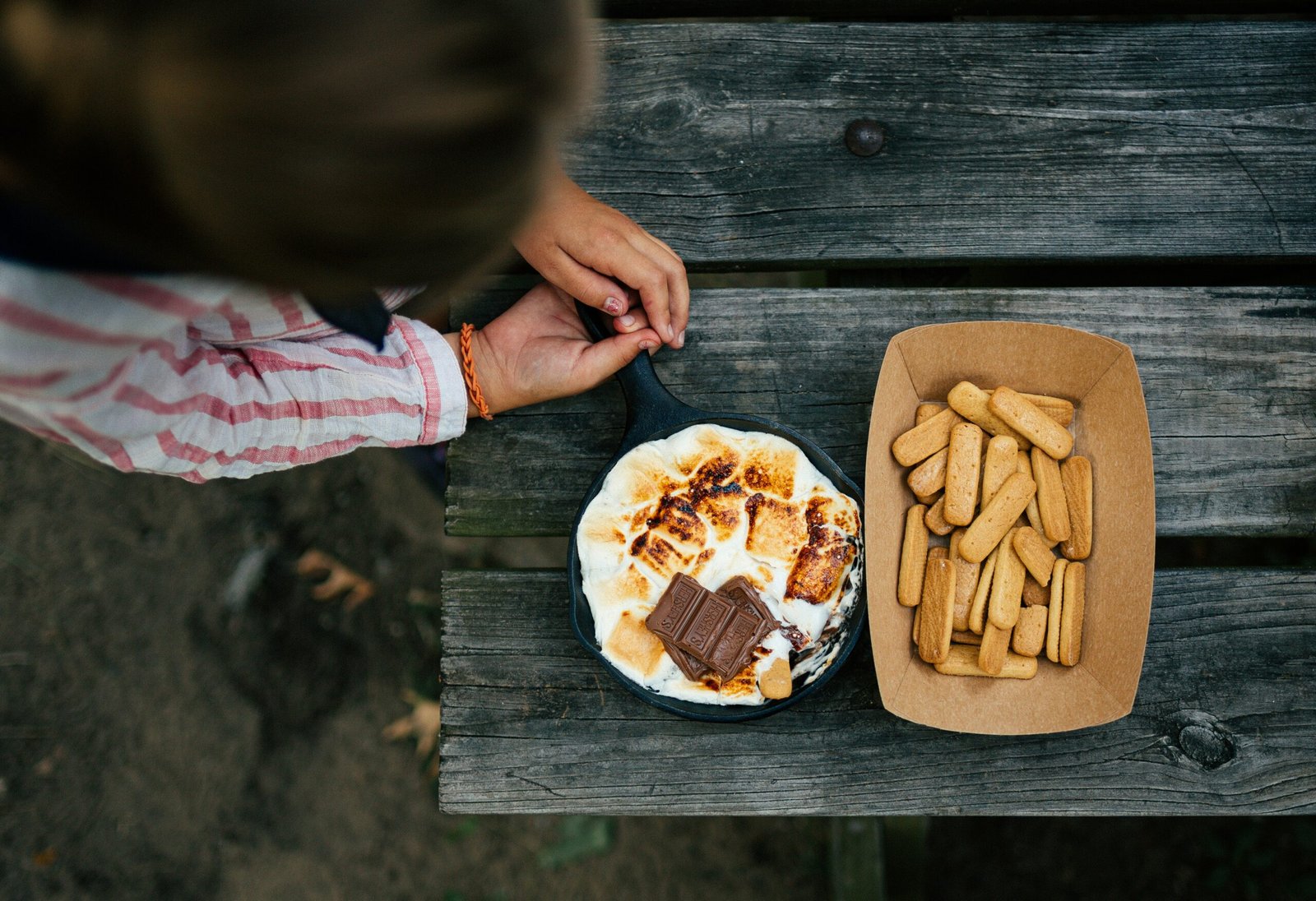
Why Children Are Attracted to Colourful Foods
Bright colours naturally attract children’s attention. Food manufacturers often use vibrant packaging and colourful ingredients to make products more appealing.
Children may associate colourful foods with fun, sweetness, and excitement. As a result, they may prefer artificially coloured snacks over healthier alternatives.
Parents can help by introducing naturally colourful foods such as fruits and vegetables that are both visually appealing and nutritious.
Common Foods That May Contain Artificial Colours
Artificial food colours are often found in:
- Candies and chocolates
- Flavoured drinks and soft drinks
- Ice creams
- Packaged chips and snacks
- Breakfast cereals
- Bakery products
- Jelly and dessert mixes
Reading ingredient labels can help parents make informed choices.
How to Read Food Labels
When purchasing packaged foods, check the ingredient list carefully.
Look for:
- Artificial colour additives
- Synthetic dyes
- Unnecessary preservatives
Foods containing fewer artificial ingredients are generally a better choice for children.
Healthy Colourful Food Alternatives
Parents can replace processed snacks with naturally colourful options:
Red Foods
- Strawberries
- Watermelon
- Beetroot
Orange and Yellow Foods
- Mangoes
- Carrots
- Turmeric-based dishes
Green Foods
- Spinach
- Broccoli
- Kiwi
Purple and Blue Foods
- Blueberries
- Purple cabbage
- Black grapes
These foods provide vitamins, minerals, and antioxidants that support healthy growth.
My Perspective
Many parents focus on sugar content but often overlook artificial colours. While occasional consumption may not be harmful for most children, regularly choosing fresh and minimally processed foods can support better nutrition and healthy eating habits.
A practical approach is not to eliminate all treats completely but to maintain balance and encourage children to enjoy a variety of natural foods as part of their daily diet.
Frequently Asked Questions
Are all food colours harmful?
Not necessarily. Natural food colours derived from fruits, vegetables, and spices are generally considered safe. Concerns are more commonly associated with certain artificial colour additives.
Which foods contain the most artificial colours?
Candies, soft drinks, packaged snacks, colourful desserts, and some processed bakery products may contain artificial colours.
Can artificial food colours cause hyperactivity?
Some studies have explored possible links between certain artificial food colours and behavioural changes in some children. However, effects may vary among individuals.
How can parents reduce artificial food colour intake?
Parents can choose fresh foods, read ingredient labels, prepare homemade snacks, and limit heavily processed foods.
What are the best natural food colour sources?
Beetroot, turmeric, spinach, carrot, berries, and other fruits and vegetables are commonly used as natural colouring agents.
Key Takeaways
✅ Natural food colours are generally preferred over artificial colours.
✅ Excessive consumption of highly processed foods may reduce overall nutritional quality.
✅ Reading ingredient labels helps parents make informed choices.
✅ Fresh fruits and vegetables provide natural colour and important nutrients.
✅ Balanced eating habits support healthy growth and development.
About the Author
Nilaverse.com
Nilaverse publishes educational content related to parenting, child wellness, nutrition, family lifestyle, and healthy living. Our goal is to help families make informed decisions through practical and easy-to-understand information.
Health Disclaimer
This article is intended for educational and informational purposes only and should not be considered medical advice. Health effects may vary among individuals. Parents who have concerns about allergies, behavioural changes, dietary needs, or medical conditions should consult a qualified healthcare professional for personalized guidance.