











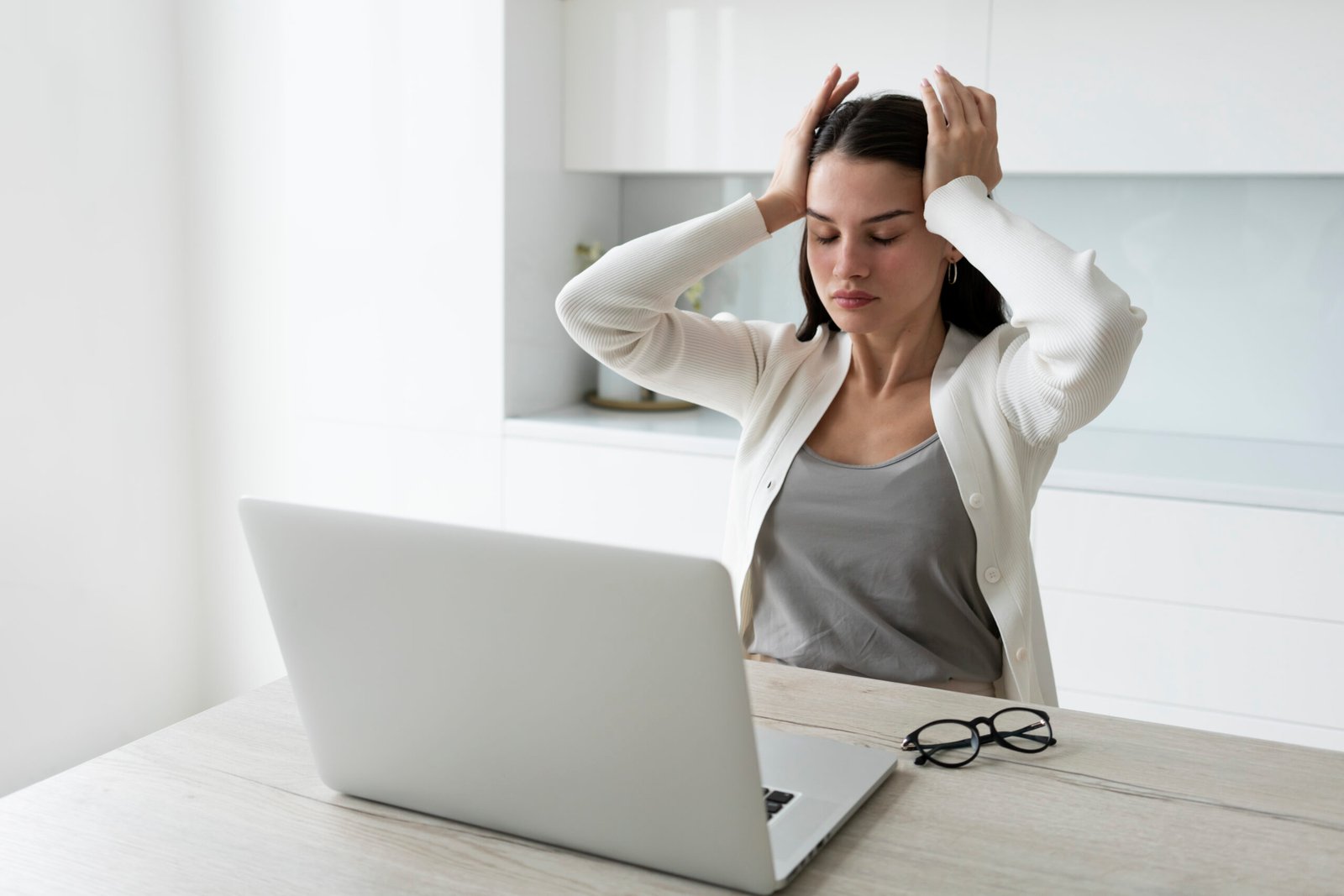
Why Stress Management Is Especially Important for Women
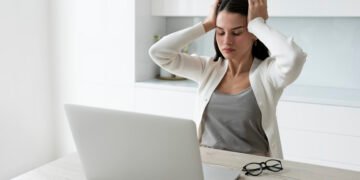
Women often balance multiple responsibilities simultaneously, including careers, family care, household management, education, and personal commitments. These responsibilities can create ongoing pressure that affects emotional and physical well-being.
Managing stress effectively can help:
- Improve emotional resilience
- Enhance focus and productivity
- Support better sleep quality
- Strengthen relationships
- Promote overall wellness
Small, consistent stress-management habits can make a significant difference over time.
Daily Habits That Can Reduce Stress Naturally
Developing healthy daily routines can help prevent stress from becoming overwhelming.
Start the Day Calmly
Instead of immediately checking emails or social media, begin the day with:
- Deep breathing
- Gratitude practice
- Light stretching
- A short walk
Take Regular Breaks
Short breaks throughout the day can help refresh the mind and reduce mental fatigue.
Limit Information Overload
Constant exposure to news, notifications, and social media may contribute to stress. Setting healthy digital boundaries can improve mental clarity.
Prioritize Rest
Quality sleep plays an important role in emotional regulation and stress recovery.
Stress Management at Different Life Stages
Young Women
Common stressors may include education, career planning, relationships, and social expectations.
Working Professionals
Balancing professional responsibilities and personal life can create ongoing pressure.
Mothers and Caregivers
Caregiving responsibilities may increase emotional and physical demands.
Older Women
Health concerns, family responsibilities, and life transitions can contribute to stress.
Understanding the source of stress can help identify the most effective coping strategies.
My Perspective
One of the most common patterns seen today is that many women prioritize everyone else’s needs before their own. While caring for others is important, neglecting personal well-being often leads to exhaustion and burnout.
Stress management does not require major life changes. Small habits such as regular movement, better sleep, meaningful conversations, and taking a few moments each day for yourself can create lasting improvements in emotional well-being.
The goal is not to eliminate every challenge but to develop healthier ways of responding to life’s demands.
Frequently Asked Questions
What are the common signs of stress in women?
Common signs may include fatigue, irritability, sleep disturbances, headaches, anxiety, difficulty concentrating, and emotional overwhelm.
Can stress affect physical health?
Yes. Chronic stress may influence sleep quality, energy levels, digestion, immune function, and overall well-being.
What is the fastest way to reduce stress?
Simple techniques such as deep breathing, taking a short walk, mindfulness exercises, or talking with a trusted friend may help reduce immediate stress levels.
Is exercise helpful for stress management?
Regular physical activity is associated with improved mood, reduced stress, and better overall health.
When should someone seek professional help?
If stress significantly affects daily functioning, relationships, work, or emotional well-being, professional support from a qualified healthcare provider or mental health professional may be beneficial.
Key Takeaways
✅ Stress is a normal part of life, but chronic stress should not be ignored.
✅ Self-care supports both mental and physical health.
✅ Physical activity can help reduce stress naturally.
✅ Healthy boundaries protect emotional well-being.
✅ Strong social connections provide valuable support.
✅ Professional help is available when stress becomes difficult to manage.
Related Articles
- Self-Care Tips for Busy Women
- Building Healthy Daily Habits
- Work-Life Balance Strategies for Women
- The Importance of Mental Wellness
- Mindfulness Practices for Everyday Life
About the Author
Nilaverse.com
Nilaverse shares educational content on women’s wellness, personal development, family life, healthy habits, emotional well-being, and self-improvement. Our goal is to provide practical and accessible information that supports healthier and more balanced lifestyles.
Wellness Disclaimer
This article is intended for educational and informational purposes only and should not be considered medical or mental health advice. Individual experiences with stress may vary. Readers experiencing significant emotional distress, anxiety, depression, or other mental health concerns should consult a qualified healthcare professional for personalized support and guidance.