












Introduction
Artificial Intelligence (AI) has evolved from a futuristic concept into a practical tool that is transforming how people learn, work, communicate, and solve problems. Today, AI is no longer limited to technology experts or large corporations. Students, professionals, entrepreneurs, content creators, and everyday users can all benefit from AI-powered tools designed to simplify tasks and improve productivity.
As AI becomes increasingly accessible, understanding how to use it effectively can provide a significant advantage in both personal and professional life. Whether you’re looking to improve your study habits, streamline work processes, generate creative ideas, or make better decisions, AI can serve as a valuable assistant when used responsibly.
The key is not to rely entirely on AI but to use it as a tool that enhances human skills, creativity, and critical thinking.
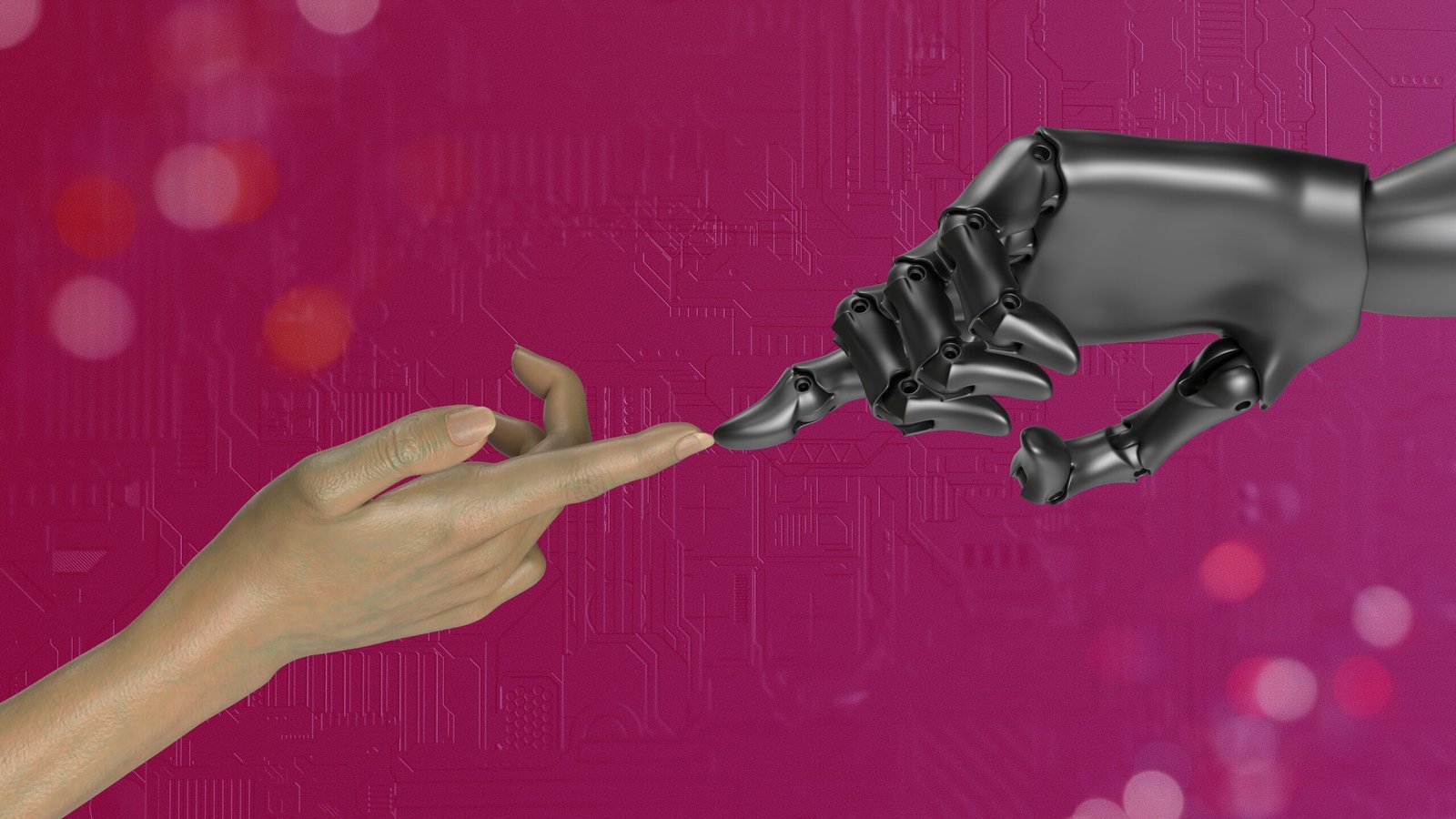
“Artificial Intelligence is most powerful when it amplifies human potential rather than replacing human effort.”
What Is Artificial Intelligence?
Artificial Intelligence refers to computer systems designed to perform tasks that typically require human intelligence. These tasks may include learning, problem-solving, language understanding, data analysis, and decision-making.
Modern AI tools can help users generate content, answer questions, analyze information, automate repetitive tasks, and provide recommendations based on data. While AI continues to improve, it is most effective when combined with human judgment and expertise.
Using AI for Learning and Education
One of the most practical applications of AI is in education. Students can use AI to understand complex concepts, summarize lengthy materials, create study plans, and generate practice questions.
AI-powered learning platforms can personalize educational experiences by identifying strengths and weaknesses and recommending relevant resources. Language learners can use AI for grammar correction, vocabulary building, and conversational practice.
Example
A student preparing for exams can use AI to:
- Create a revision schedule
- Summarize textbook chapters
- Generate mock test questions
- Explain difficult concepts in simple language
When used correctly, AI encourages more efficient and independent learning.
Improving Workplace Productivity
AI has become an important productivity tool across various industries. Many repetitive and time-consuming tasks can now be completed more efficiently using AI-powered solutions.
Professionals use AI to:
- Draft emails
- Create reports
- Organize meetings
- Manage projects
- Analyze data
- Generate presentations
By automating routine tasks, employees can spend more time focusing on strategy, creativity, and decision-making.
Real-World Example
A marketing professional can use AI to generate campaign ideas, analyze customer trends, and create content drafts. This reduces administrative work and allows more time for creative planning and execution.
Enhancing Creativity and Content Creation
Contrary to the belief that AI reduces creativity, many creators use it to enhance their creative process.
Writers often use AI to:
- Brainstorm ideas
- Create outlines
- Improve readability
- Overcome writer’s block
Designers use AI-powered tools to generate concepts and visual inspiration, while video creators use AI to streamline editing and production workflows.
AI can accelerate the creative process, but originality, imagination, and emotional storytelling remain uniquely human strengths.
Supporting Business Growth
Businesses of all sizes are increasingly using AI to improve efficiency and customer experiences.
AI can help businesses:
- Automate customer support
- Analyze customer behavior
- Personalize marketing campaigns
- Forecast trends
- Improve operational efficiency
Small business owners can particularly benefit from AI by reducing manual workloads and making more informed decisions based on data-driven insights.
Example
An online business owner can use AI to answer customer inquiries, recommend products, and analyze sales trends, improving both customer satisfaction and business performance.
Using AI for Personal Development
AI can be a powerful tool for self-improvement and lifelong learning.
Individuals use AI to:
- Learn new skills
- Develop productivity routines
- Set personal goals
- Improve communication skills
- Access educational resources
AI-powered applications can also recommend books, courses, and learning opportunities based on personal interests and goals.
When combined with consistency and self-discipline, AI can accelerate personal growth and skill development.
Improving Time Management
Time is one of the most valuable resources, and AI can help people manage it more effectively.
AI tools can assist with:
- Scheduling tasks
- Setting reminders
- Prioritizing activities
- Organizing information
- Managing daily routines
Reducing time spent on repetitive administrative tasks allows individuals to focus on meaningful work, learning, and personal development.
Example
A busy professional can use AI-powered scheduling tools to organize meetings, manage deadlines, and create daily task priorities, resulting in better productivity and reduced stress.
What I Learned From Using AI
While exploring various AI tools for research, writing, planning, and productivity, one lesson became clear: AI works best as an assistant rather than a replacement for human effort.
AI can quickly provide information, generate ideas, and organize data. However, critical thinking, creativity, judgment, and decision-making still require human involvement.
For example, AI can help generate an article outline within seconds, but creating accurate, engaging, and trustworthy content still requires research, editing, and human understanding.
The most successful use of AI comes from combining technological efficiency with personal expertise and thoughtful decision-making.
Common Mistakes When Using AI
Although AI offers numerous benefits, users should avoid common mistakes that can reduce its effectiveness.
Mistakes to Avoid
- Accepting AI-generated information without verification
- Relying entirely on AI for decision-making
- Sharing sensitive personal information
- Publishing AI-generated content without reviewing it
- Ignoring ethical and privacy considerations
Using AI responsibly ensures better results and minimizes potential risks.
Ethical and Responsible Use of AI
As AI becomes more integrated into daily life, responsible usage becomes increasingly important.
Users should:
- Verify important information
- Respect privacy and security
- Avoid spreading misinformation
- Maintain human oversight
- Use AI ethically and transparently
AI should support decision-making rather than replace personal responsibility.
Preparing for an AI-Driven Future
AI is expected to influence nearly every industry in the coming years. Understanding how to work alongside AI will become a valuable skill for students, professionals, and entrepreneurs alike.
Rather than viewing AI as a threat, individuals can embrace it as a tool that supports learning, innovation, and productivity.
Developing digital literacy and adaptability today can help people stay competitive in tomorrow’s evolving workplace.
Frequently Asked Questions
Is AI difficult for beginners to use?
No. Many AI tools are designed for beginners and require little or no technical knowledge.
Can AI replace human jobs completely?
AI can automate certain tasks, but human creativity, emotional intelligence, leadership, and critical thinking remain essential.
Is AI useful for students?
Yes. AI can help students study more efficiently, organize information, and understand difficult concepts.
Can small businesses benefit from AI?
Absolutely. AI can improve customer service, marketing, productivity, and decision-making.
Should AI-generated information always be verified?
Yes. Users should always review and verify important information before relying on it.
What is the best way to use AI?
The best approach is to use AI as a supportive tool while continuing to apply human judgment, creativity, and expertise.
Key Takeaways
- AI can improve learning, productivity, creativity, and decision-making.
- Students, professionals, and business owners can all benefit from AI tools.
- AI works best when combined with human expertise.
- Responsible and ethical AI usage is essential.
- Developing AI literacy can help individuals succeed in a rapidly evolving digital world.
About the Author
Nilaverse.com
I’m a young content creator who enjoys exploring technology, productivity, personal growth, education, wellness, and digital trends. Through Nilaverse, I share practical insights, easy-to-understand guides, and real-world perspectives designed to help readers learn new skills, make informed decisions, and adapt confidently to an ever-changing digital world.
Final Thoughts
Artificial Intelligence has the potential to transform how people learn, work, create, and solve problems. From education and business to personal development and productivity, AI offers practical tools that can improve efficiency and unlock new opportunities.
However, the most effective use of AI comes from treating it as a powerful assistant rather than a replacement for human abilities. Creativity, critical thinking, emotional intelligence, and ethical judgment remain qualities that technology cannot fully replicate.
As AI continues to evolve, individuals who learn to use it thoughtfully, responsibly, and strategically will be better prepared to thrive in the digital age.